teeth retainer Damansara uptown

Braces straighten your teeth, but teeth retainers keep them in place after orthodontic treatment. At our clinic in Damansara Uptown, we provide customized teeth retainer solutions to ensure long-lasting results and maintain your beautiful, aligned smile.

Anna Rue
Anna Rue

We understand just how closely connected oral health is to your overall health.

Recent Posts

Tag:
Share:

Why Retainers Are Important After Braces

Braces help straighten your teeth, but retainers are what keep them in their new position. After braces are removed, your teeth are not yet fully stable—the surrounding gums, bones, and muscles need time to adjust. Everyday habits like chewing, grinding, or clenching can apply pressure on your teeth and cause them to shift. Without a retainer, your teeth may gradually move back to their original alignment, a process known as relapse. Wearing a retainer helps maintain the alignment achieved during orthodontic treatment and prevents bite issues such as malocclusion.

What Is a Teeth Retainer?

A retainer is a custom-made dental appliance worn after completing orthodontic treatment with braces or aligners. Its primary function is to “retain” or preserve the new position of your teeth and prevent them from shifting out of alignment over time. Retainers ensure that the results of your orthodontic work are long-lasting and your smile remains straight and healthy.

Types of Teeth Retainers

01. Removable Retainers

Removable retainers can be taken in and out by the wearer. There are two main types:

teeth retainer Damansara uptown

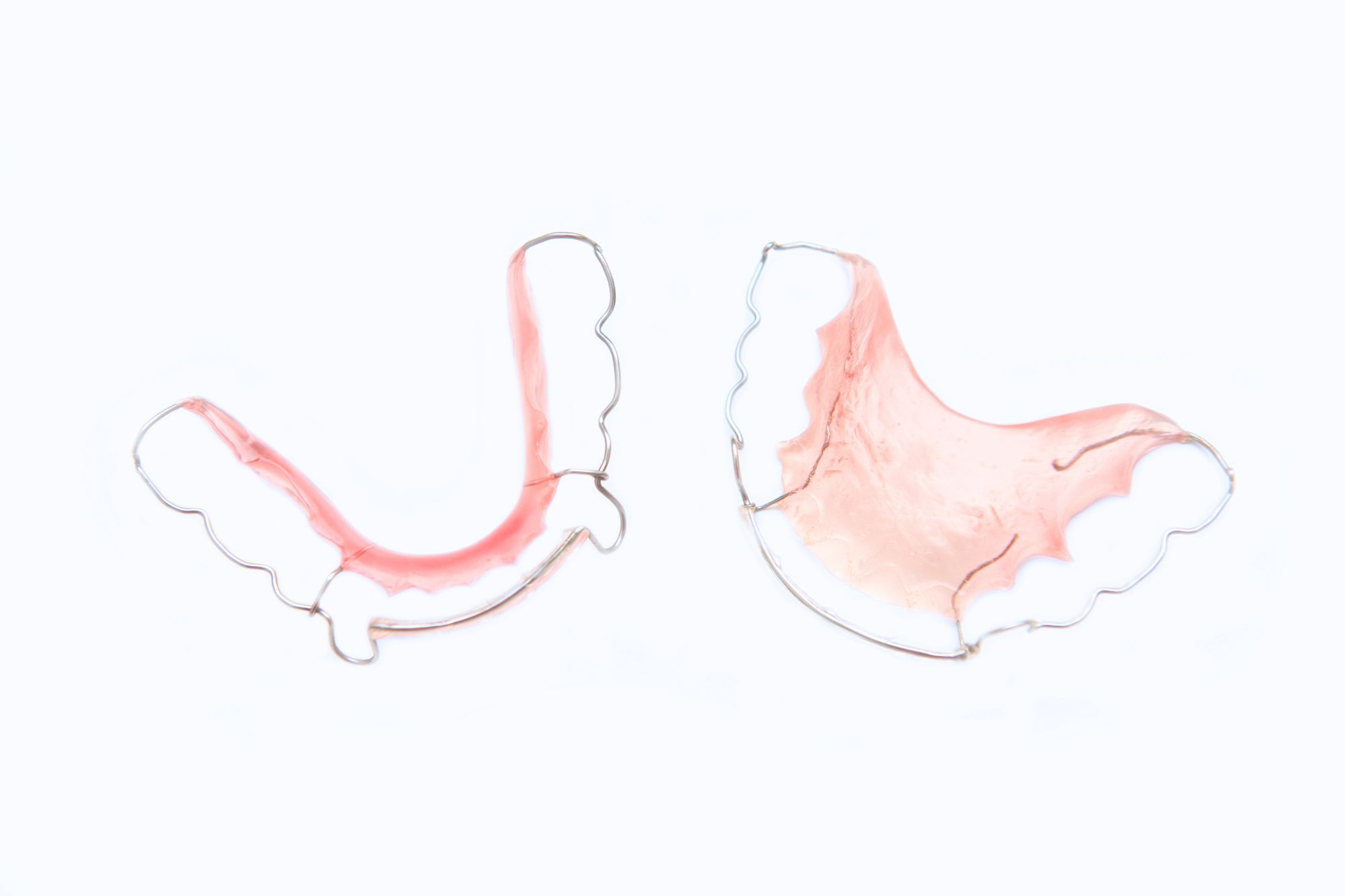
a) Hawley Retainer (Wire and Acrylic)

This type of retainer is made from an acrylic base and a thin metal wire. It is shaped to fit the roof of the mouth or behind the lower teeth.

Pros:
  • Adjustable for a better fit or minor corrections
  • Durable and repairable
  • Allows natural contact between upper and lower teeth
  • Can last for several years with proper care
Cons:
  • More noticeable compared to clear retainers
  • May slightly affect speech
  • The wire can cause irritation to lips or cheeks
teeth retainer Damansara uptown

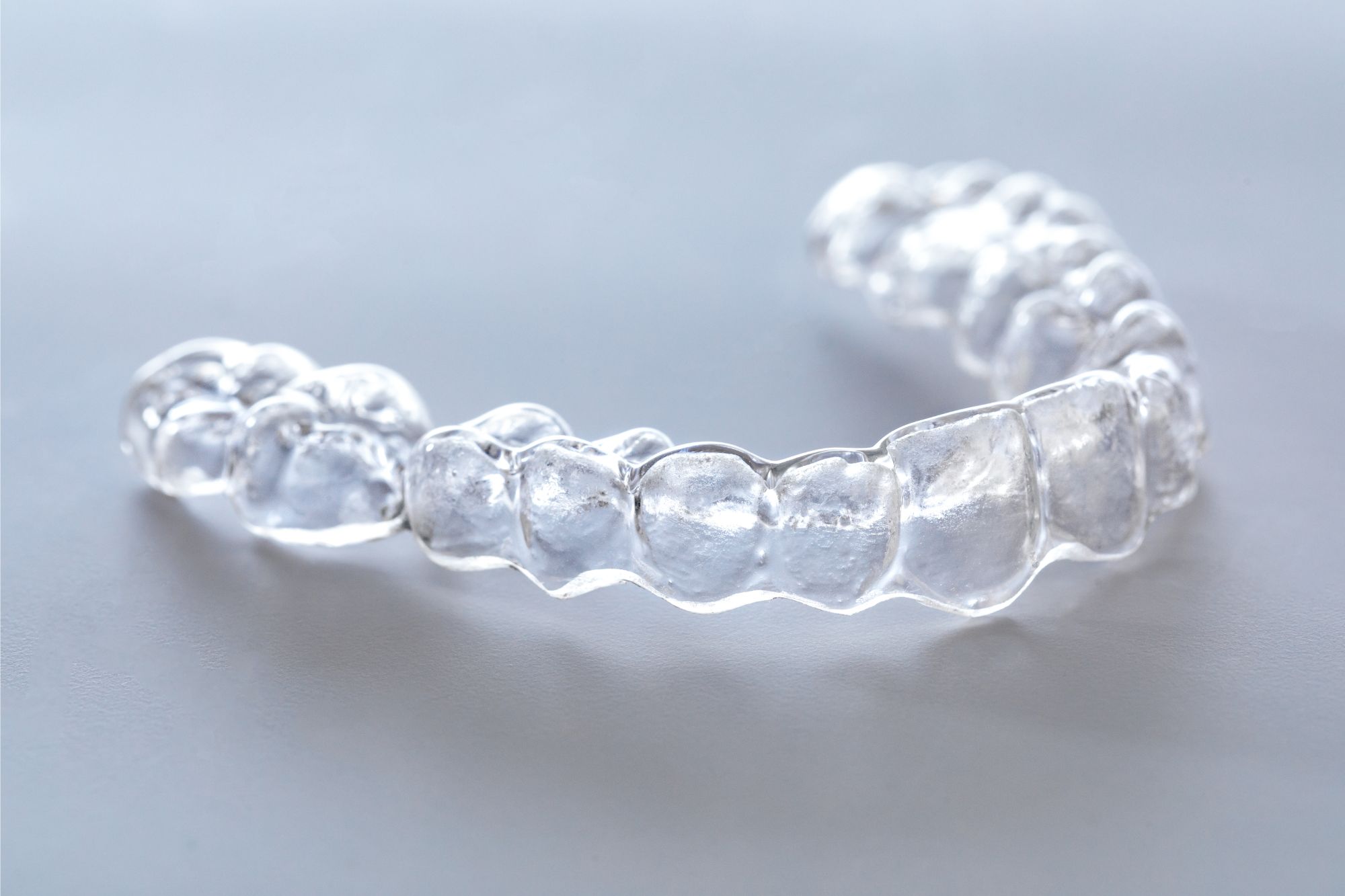
b) Essix Retainer (Clear Plastic)

Also known as thermoplastic or vacuum-formed retainers, these are made from clear plastic and molded to fit your teeth perfectly.

Pros:
  • Nearly invisible, making them more aesthetic
  • Comfortable and has less impact on speech than Hawley retainers
  • Widely used due to convenience and appearance
Cons:
  • Cannot be adjusted or repaired
  • Prone to discoloration and cracking over time
  • Does not allow natural contact between upper and lower teeth
  • Popular brands include Vivera and Essix

Summary – Removable Retainers

Advantages:
  • Easy to remove when eating, brushing, or flossing
  • Convenient and accessible
Disadvantages:
  • Can be lost or damaged if not handled properly
  • Effectiveness depends on consistent wear
  • Can harbor bacteria if not cleaned regularly
2. Fixed (Permanent) Retainers

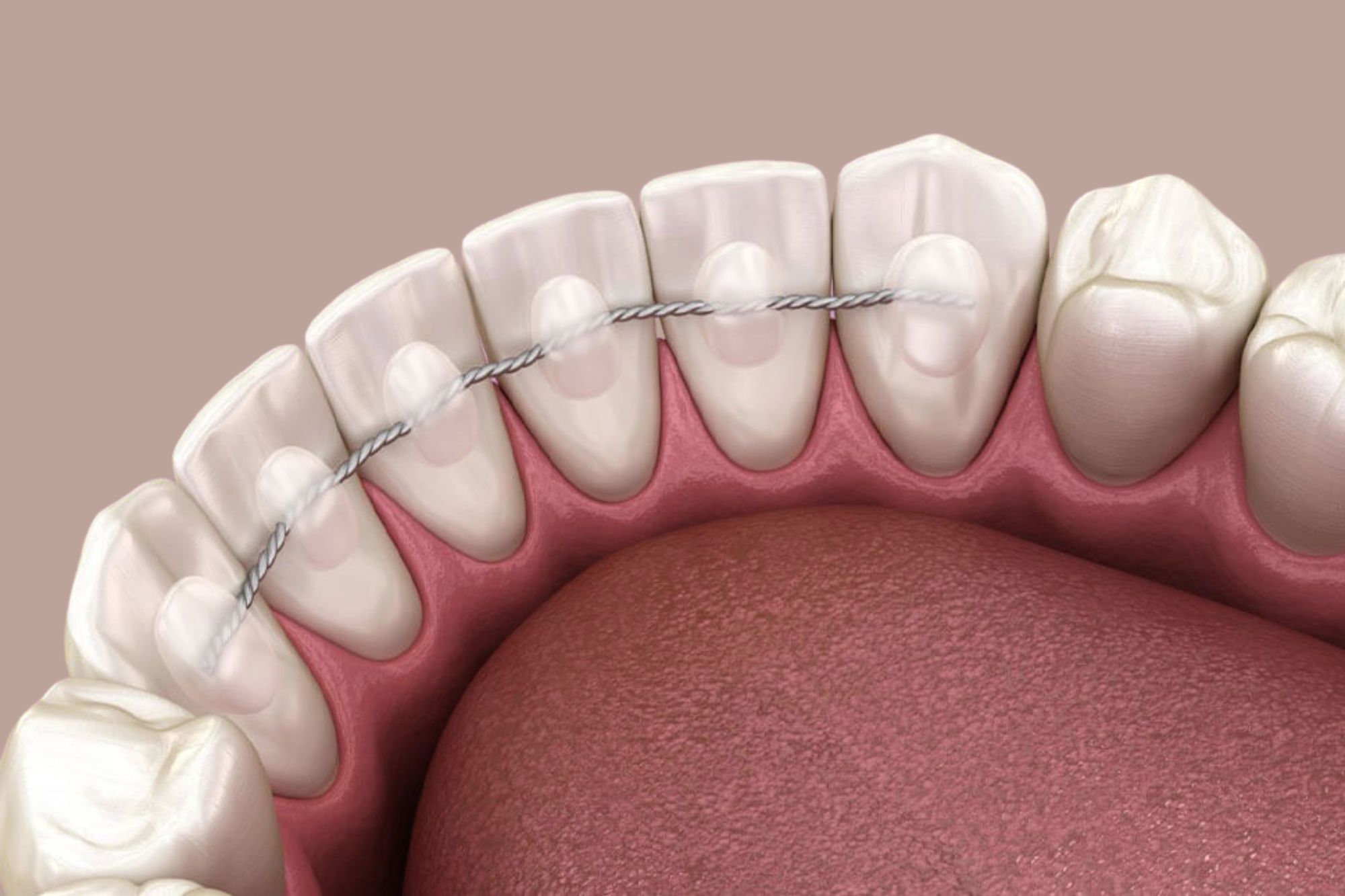
Fixed retainers consist of a solid wire bonded to the inner surface of the front teeth, usually the lower ones. These are also called lingual wire retainers.

teeth retainer Damansara uptown
Pros:
  • Always in place—no need to remember to wear it
  • Not visible to others
  • Does not interfere with speech
  • Cannot be misplaced or lost
  • Long-lasting and durable
Cons:
  • Can make cleaning and flossing more difficult
  • Increases risk of plaque and tartar buildup if not properly maintained
  • May irritate the tongue
  • Can become loose or break and require re-bonding

Procedure for Getting a Retainer

Removable Retainers

The dentist takes a dental impression using a mold or digital scanner. The retainer is then custom-made in a dental laboratory and is usually ready within 1–2 days.

Fixed Retainers

The dentist shapes a wire to fit the back of your teeth and bonds it in place using dental cement. This is a single-visit procedure, and you leave the clinic with the retainer already installed.

Frequently Asked Questions

Do Retainers Hurt?

Getting a retainer fitted is painless. Some people may experience mild discomfort or pressure for a few days as their mouth adjusts. This is normal and temporary.

Initially, you’ll need to wear your retainer full-time (day and night) for about six months. After that, most dentists recommend wearing it at night indefinitely to maintain tooth alignment. Always follow your dentist’s or orthodontist’s instructions regarding wear time.

If you don’t wear your retainer as instructed, your teeth can shift back to their original position—a process called relapse. Over time, the retainer may no longer fit if teeth have moved, and you might require orthodontic treatment again to correct the misalignment.

Contact your dentist or orthodontist immediately for a replacement if your retainer breaks. Removable retainers can take several days to replace, so having a spare set is highly recommended to avoid interruption in use.

Removable Retainers
  • Rinse under lukewarm water after each use
  • Brush daily using a soft toothbrush (avoid toothpaste, as it may be abrasive)
  • Use diluted liquid soap or retainer cleaning tablets for deeper cleaning
Fixed Retainers
  • Brush around the wire with your toothbrush, using both horizontal and vertical strokes
  • Use superfloss or a floss threader to clean between teeth and under the wire
  • Maintain daily cleaning to prevent plaque buildup and gum disease
  • Regular dental check-ups are essential to ensure your retainers remain in good condition and to monitor overall oral hygiene.

How to Clean a Retainer

Removable Retainers
  • Rinse under lukewarm water after each use
  • Brush daily using a soft toothbrush (avoid toothpaste, as it may be abrasive)
  • Use diluted liquid soap or retainer cleaning tablets for deeper cleaning
Fixed Retainers
  • Brush around the wire with your toothbrush, using both horizontal and vertical strokes
  • Use superfloss or a floss threader to clean between teeth and under the wire
  • Maintain daily cleaning to prevent plaque buildup and gum disease
  • Regular dental check-ups are essential to ensure your retainers remain in good condition and to monitor overall oral hygiene.

Final Words

Orthodontic treatment doesn’t end once your braces or clear aligners come off. Retainers are an essential part of maintaining your new smile. Depending on your needs, your dentist may recommend a removable, fixed, or combination of both types of retainers. Choose the one that suits your lifestyle best and be diligent in wearing and caring for it. Regular dental check-ups are key to ensuring long-term results and oral health.

Sign up for appointment

Schedule your visit easily—fill out our form or call us. We’ll confirm your appointment and assist you.