Wisdom Tooth Removal

Wisdom teeth are the third set of molars located at the back of the mouth, one on each side of the upper and lower jaws. These teeth are the last to emerge, typically between the ages of 17 and early 20s.

What are Wisdom Teeth?

Wisdom teeth are the third set of molars located at the back of the mouth, one on each side of the upper and lower jaws. These teeth are the last to emerge, typically between the ages of 17 and early 20s, which is why they are often referred to as “third molars”. 

If a wisdom tooth erupts properly, it typically doesn’t need to be removed. However, wisdom teeth often don’t grow as desired. When they don’t erupt properly, they can cause pain and infection, making removal necessary. 

Health Concerns

Why might I need to have my wisdom teeth removed?

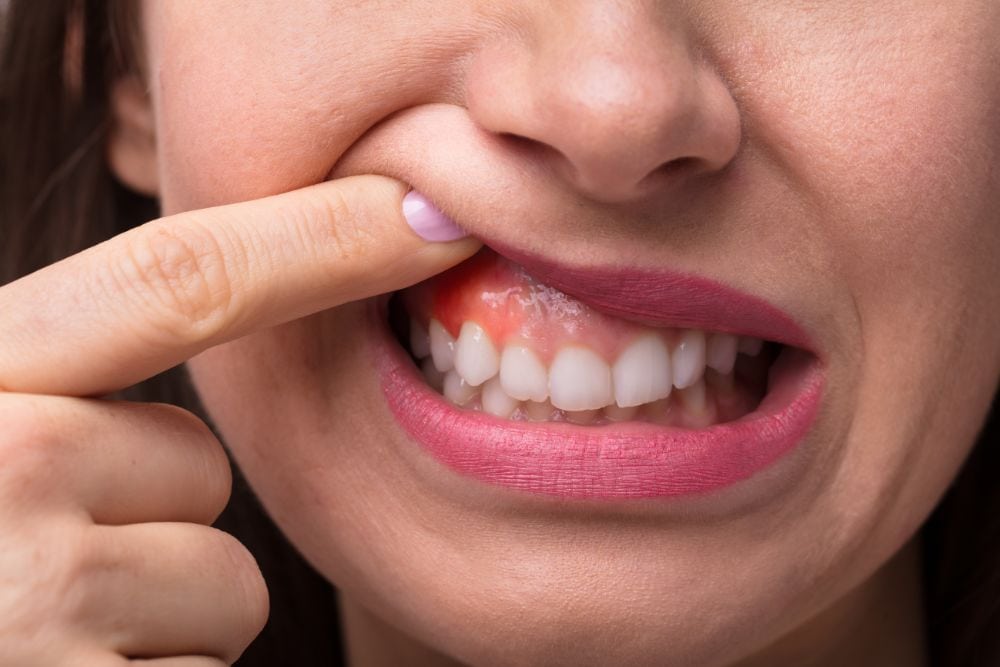
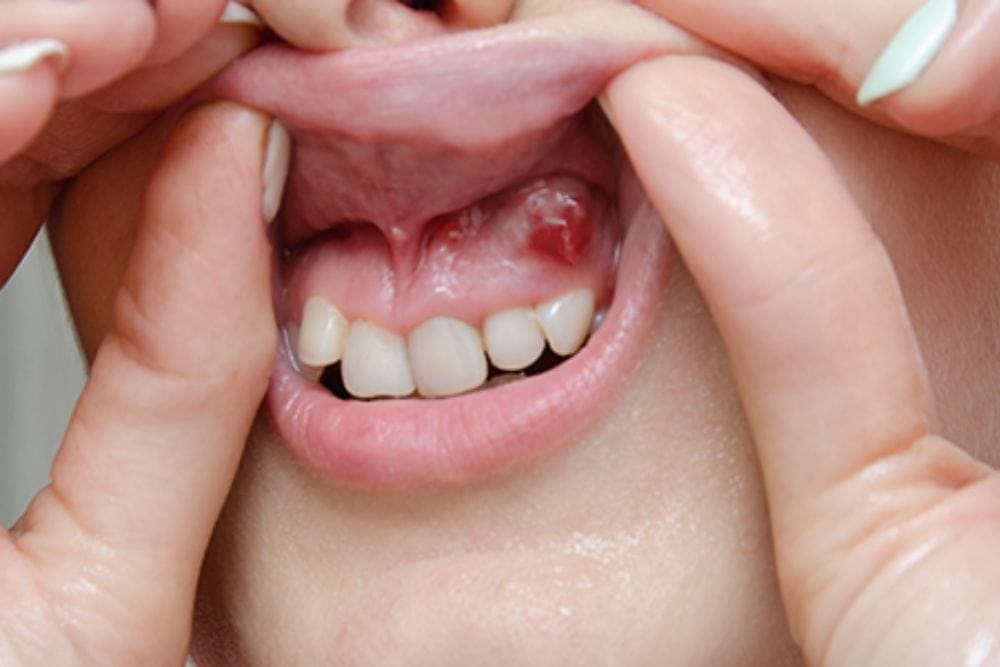
Gum Swelling and Infection

Food can easily become trapped between a partially erupted wisdom tooth and the adjacent tooth, creating a breeding ground for bacteria. Moreover, limited access to the area makes it difficult to clean effectively, which can lead to infection. This infection may cause significant pain, swelling, and difficulty opening the mouth. In more severe cases, it can even result in facial swelling, formation of an abscess, and may require antibiotics or drainage of pus to manage the infection and relieve the pain.

Tooth Decay

Due to their position at the back of the mouth, wisdom teeth can be difficult to reach with a toothbrush and floss, often leading to tooth decay. If the wisdom tooth is impacted, food can become easily trapped, which can cause decay not only in the wisdom tooth itself but also in the adjacent teeth. 

Cyst formation around the wisdom tooth

In rare cases, cysts can develop when fluid accumulates around an unerupted tooth in the jaw. These cysts can become infected, leading to pain and swelling. If left untreated, they may continue to grow, potentially damaging the jawbone and the roots of nearby teeth. Therefore, it’s important to address these cysts early to prevent further complications. 

What is the difference between wisdom tooth extraction and surgery?

There are two types of wisdom tooth removal: simple extraction and minor surgical removal. If your wisdom tooth is visible and fully erupted, a simple extraction is usually performed to remove the tooth. 

On the other hand, if your wisdom tooth is not fully erupted (fully impacted) or partially impacted, a surgical approach will be required to uncover and remove your impacted wisdom tooth. 

What to expect?

Pre surgery:
Consultation, Radiographic and Clinical examination

Our dentists will discuss any risks or complications that may arise during surgery, and carefully explain the procedure to you. Also, it is helpful for our dentist to know any underlying health issues you might be facing, and to have a list of drugs or supplements you require daily. 

Surgery:

Removal of wisdom teeth under local anesthesia. The duration of the procedure will depend on the oral condition and also the number of the wisdom teeth planned for removal. 

Post Surgery:

During the first 24 hours after your wisdom tooth surgery, there are a few common symptoms that may occur: 

01.

Bleeding

A small amount of bleeding may occur. Avoid rinsing your mouth rigorously. Adhere to instructions provided by our dentist on controlling bleeding. 

02.

Facial swelling

Some facial swelling may surface over the next two to three days and is a normal response as the body heals and recovers. Ice pack will be helpful. 

03.

Facial bruising 

As part of the healing process, these bruises (if any) might appear initially and will gradually subside and fade after a week. 

04.

Pain and jaw stiffness 

Some pain and jaw stiffness (if any) may also be experienced post surgery. Your dentist will prescribe you with anti-inflammatory and pain medications to relieve these discomforts. 

FAQ

FAQs About Wisdom Tooth Removal in Malaysia

Interested in our services?

In general, patients will be able to eat normally and resume normal activities  after 1-3 days.

However, your actual recovery time may vary depending on factors such as:

  • Your response to the surgery
  • Age
  • The complexity of the procedure (including the depth and positioning of the wisdom tooth)
  • Adequate rest
  • Adherence to medication
  • Oral hygiene

It is recommended to take full rest for at least the first 2–3 days. Avoid any strenuous activities and closely follow the prescribed medication schedule. Additionally, it is important to keep the surgical site clean. Poor hygiene, as well as the use of alcohol or tobacco, can hinder the healing process.

Wisdom tooth removal is typically performed under local anesthesia, which numbs the area completely, ensuring a painless procedure. Like any surgery, recovery may involve some pain and swelling. However, with the help of modern pain medications, these symptoms can be effectively managed. 

While the primary wound closure occurs within a few days, the removal of wisdom teeth often leaves voids (spaces previously occupied by the teeth). These spaces will gradually heal and be filled with bone, but the process can take several months. 

If the tooth was partially exposed before removal, food debris may become trapped in the socket. In such cases, it is recommended to rinse and flush the area with a syringe after meals to help keep it clean.  

Depending on the number of teeth and complexity of removal, a wisdom tooth surgery typically take around an hour to complete. 

Invisalign® Treatment
Before And Afters

Patient Reviews

5/5

“I’m so happy I made a right choose to begin my Invisalign journey with Resmile- Dr. Estee! I’m so happy to regain my confidence and able to re-smile again ❤️”

5/5

“I’m so happy I made a right choose to begin my Invisalign journey with Resmile- Dr. Estee! I’m so happy to regain my confidence and able to re-smile again ❤️”

5/5

“I’m so happy I made a right choose to begin my Invisalign journey with Resmile- Dr. Estee! I’m so happy to regain my confidence and able to re-smile again ❤️”

Patients review:
What our customers say??

5/5

“I’m so happy I made a right choose to begin my Invisalign journey with Resmile- Dr. Estee! I’m so happy to regain my confidence and able to re-smile again ❤️”

5/5

“I’m so happy I made a right choose to begin my Invisalign journey with Resmile- Dr. Estee! I’m so happy to regain my confidence and able to re-smile again ❤️”

5/5

“I’m so happy I made a right choose to begin my Invisalign journey with Resmile- Dr. Estee! I’m so happy to regain my confidence and able to re-smile again ❤️”

Invisalign® Treatment
Before And Afters

Invisalign vs braces

Why Invisalign?

  • Invisible
  • Lesser dental visits
  • No dietary restrictions
  • Removable
  • Lesser Pain
Request Free Consultation