Early orthodontic screening (usually by age 7) is not about putting braces on young children. It is about identifying developing issues early and deciding whether to monitor or intervene at the right time.

Early orthodontic screening (usually by age 7) is not about putting braces on young children. It is about identifying developing issues early and deciding whether to monitor or intervene at the right time.
We understand just how closely connected oral health is to your overall health.
When parents think about braces, they usually imagine teenagers.
But many orthodontic problems begin much earlier, and some are best managed during a child’s growth years.
Early orthodontic screening (usually by age 7) is not about putting braces on young children. It is about identifying developing issues early and deciding whether to monitor or intervene at the right time.
Interceptive orthodontics, also known as Phase 1 treatment is orthodontic care carried out during the mixed dentition stage, usually between ages 6–10, when children have both baby and permanent teeth.
The goal is to:
The Malaysian Association of Orthodontists recommends an initial evaluation by age seven. This allows for early identification of potential issues and timely intervention with interceptive treatment. At this stage, potential issues can be detected:
Importantly, screening does not automatically mean treatment. It means proper evaluation and growth monitoring.
Treatment depends entirely on diagnosis and growth stage. Common options include:
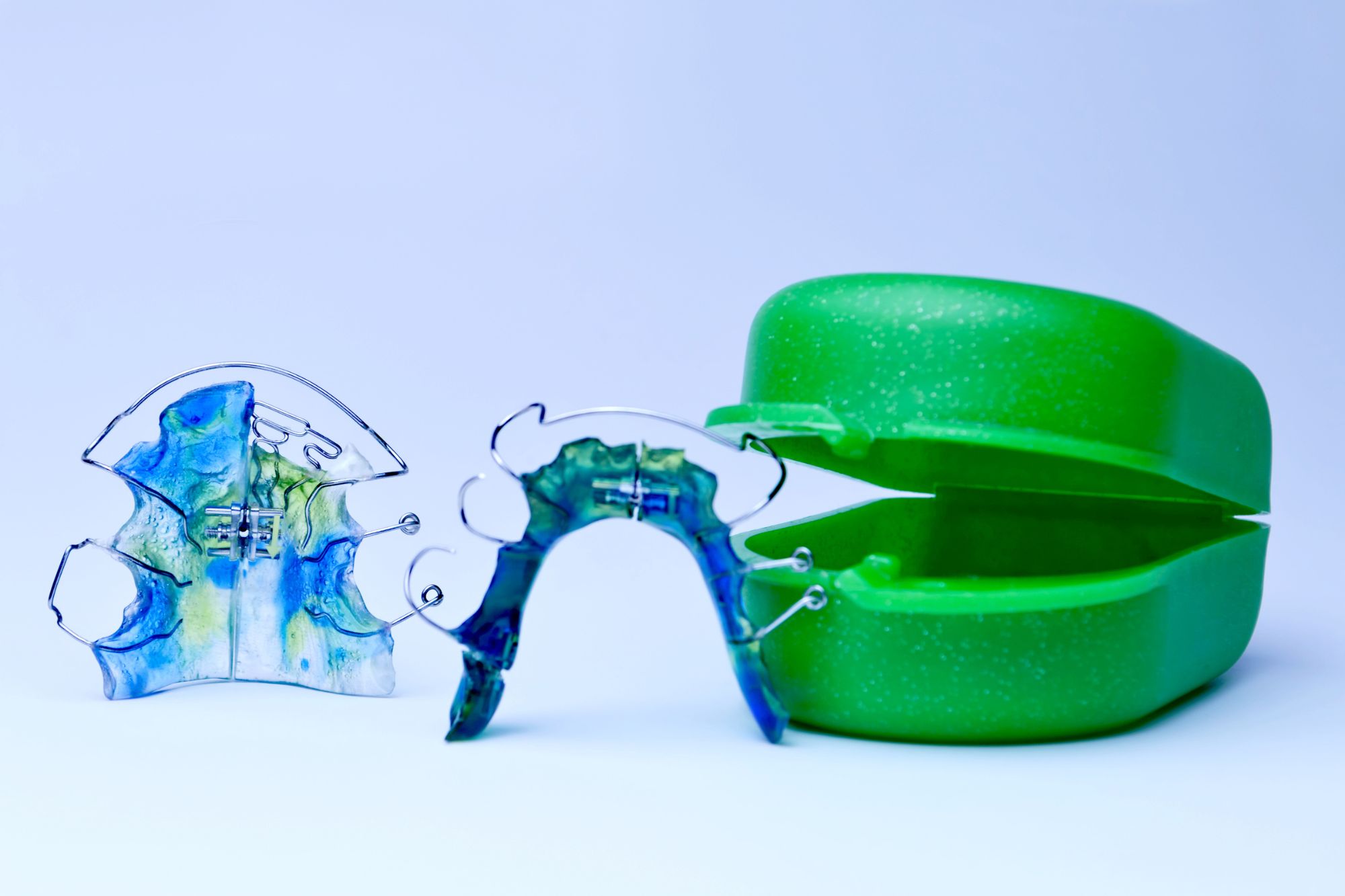
Used when the upper and lower jaws do not align properly (e.g., a retruded lower jaw). They guide jaw growth during active growth phases and may reduce the need for severe skeletal correction in the future, while also improving appearance.
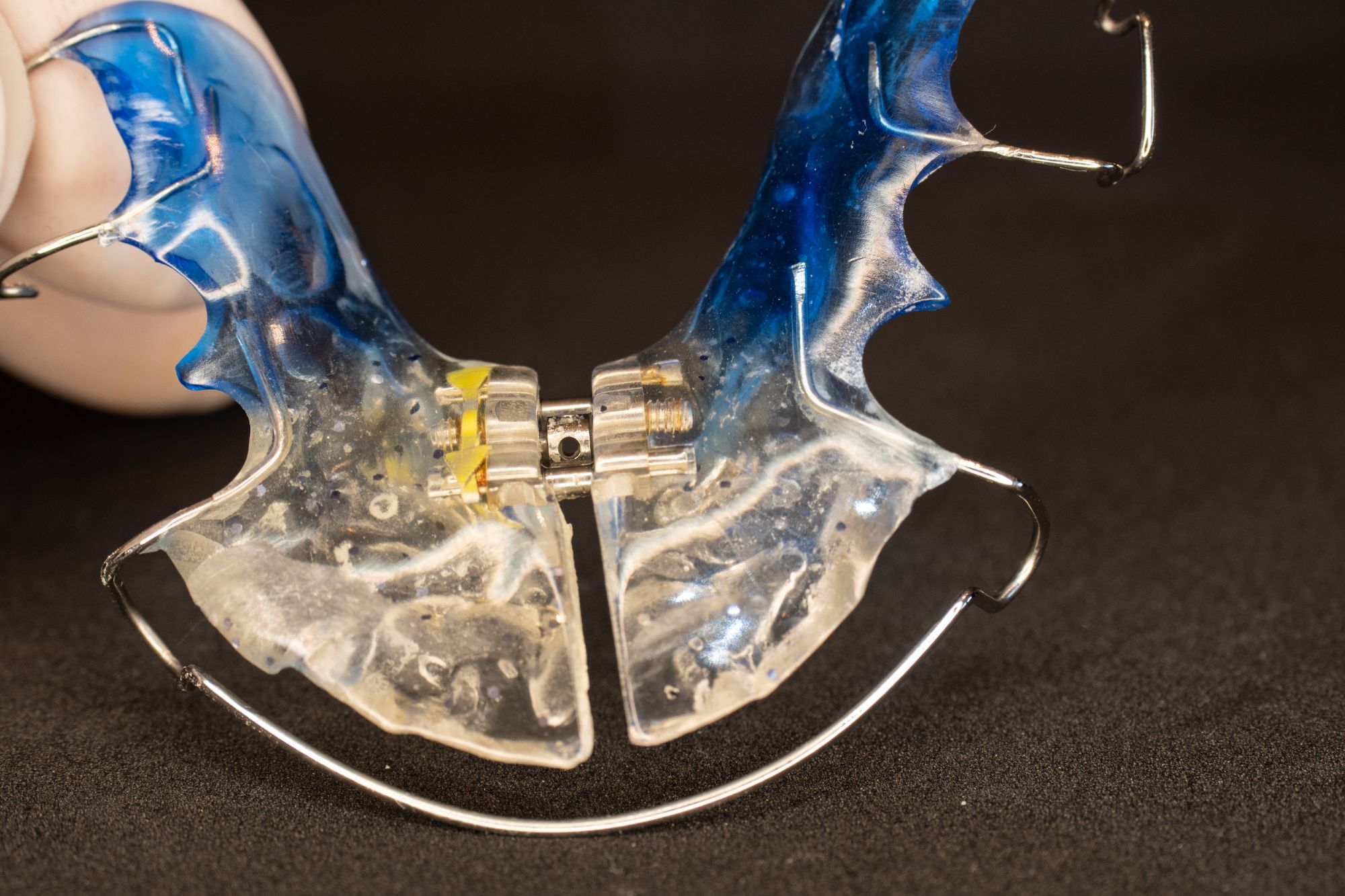
Used to widen a narrow upper jaw.
They help correct crossbites and create space for teeth alignment while the jaw is still developing.
Placed when baby teeth are lost too early to prevent neighbouring teeth from drifting and causing crowding.
Used in selected cases to correct specific problems like anterior crossbite or severely displaced incisors.
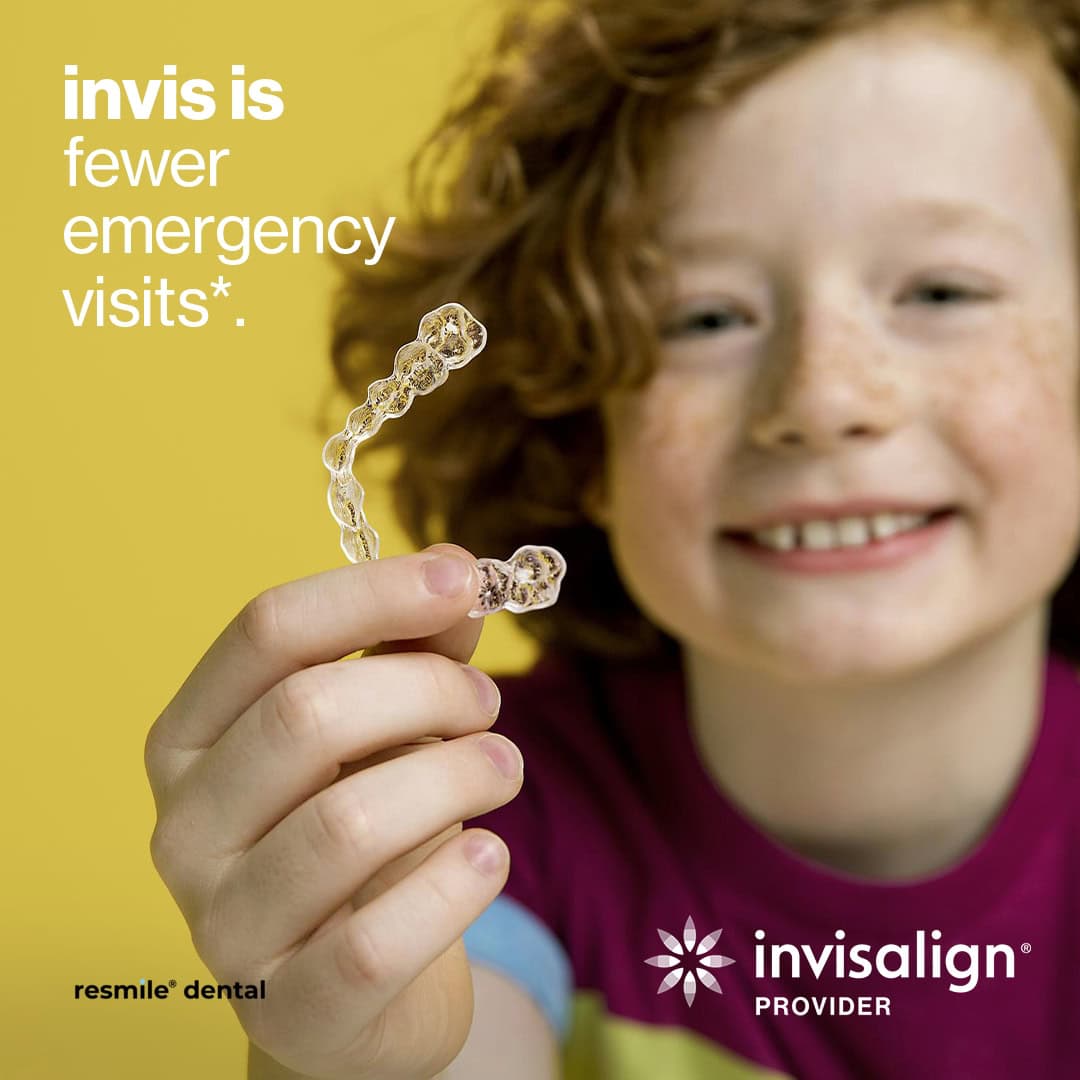
Clear aligners may be used to:
When properly indicated, early intervention may:
Not every child needs interceptive treatment.
Some bite issues:
Starting treatment too early without proper indication may unnecessarily prolong total treatment time.
The key principle is correct timing — not early timing.
Before recommending any treatment, a comprehensive evaluation should include:
X-rays help detect:
After assessment, a child may:
Regular monitoring allows treatment to begin at the optimal biological window, especially during growth spurts.
Phase 1 treatment is not only for cosmetic purposes. It aims to manage specific orthodontic problems during a critical growth period, when treatment can be more effective.
The decision to begin treatment should be based on:
In orthodontics, timing is important. Some cases benefit from early intervention, while others are better managed with careful monitoring.
Because every child grows at a different pace, treatment timing should be individualised based on growth and clinical findings, not age alone.
Schedule your visit easily—fill out our form or call us. We’ll confirm your appointment and assist you.